

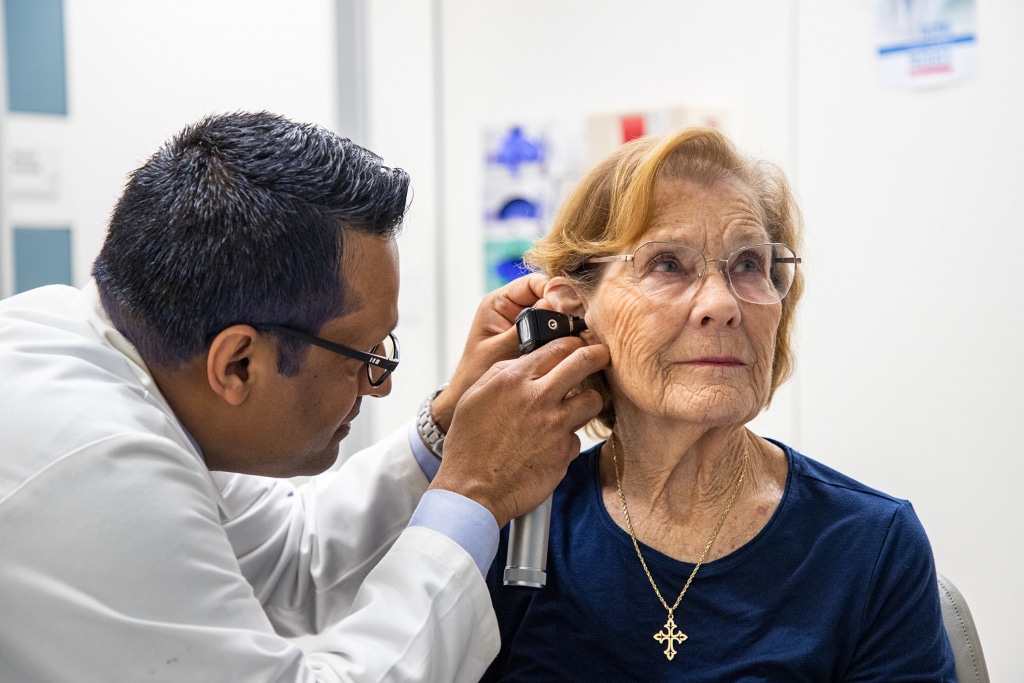
Hearing loss affects far more than your ability to perceive sound. It influences how you communicate, how confident you feel in social settings, and how connected you remain to the people and activities you care about. For many residents, taking the first step toward better hearing starts with finding a qualified hearing aid doctor in Houston who can provide accurate testing, thoughtful guidance, and ongoing support.
With Houston’s size and diversity, there is no shortage of hearing care providers. That abundance can feel reassuring—but it can also make the decision overwhelming. This guide is designed to help you understand what hearing aid doctors do, what distinguishes great providers from average ones, and how to choose a specialist who fits your personal needs, lifestyle, and long-term hearing goals.
Understanding the Role of a Hearing Aid Doctor
A hearing aid doctor is not simply someone who sells hearing devices. Their role encompasses diagnosis, education, treatment planning, and long-term care. Understanding this broader responsibility helps patients approach the process with realistic expectations.
Core Qualifications and Training
Most hearing aid doctors fall into one of two professional categories: audiologists or ear, nose, and throat physicians (ENTs). Audiologists specialize in hearing and balance disorders. They typically hold a Doctor of Audiology (Au.D.) degree and undergo extensive clinical training focused on hearing assessments, hearing aid programming, auditory rehabilitation, and counseling.
ENT doctors, also known as otolaryngologists, are medical physicians who diagnose and treat diseases of the ear, nose, and throat. Their training allows them to address medical or surgical causes of hearing loss, such as chronic infections, tumors, or structural abnormalities.
For many patients, especially those seeking hearing aids, audiologists are the primary point of care. However, collaboration between audiologists and ENTs is common and often beneficial when hearing loss has a medical component.
Services That Go Beyond Devices
A high-quality hearing aid doctor offers a comprehensive range of services. These usually include detailed hearing evaluations, speech understanding tests, and assessments of how hearing loss affects daily life. Based on these results, the provider develops a treatment plan that may include hearing aids, assistive listening devices, or communication strategies.
Many practices also offer tinnitus management, balance testing, and auditory training programs. These services recognize that hearing health is interconnected with overall well-being, not just amplified sound.
The Value of a Personalized Approach
No two patients experience hearing loss in exactly the same way. Lifestyle, work environment, social habits, and even personality play roles in determining the best solution. A strong provider takes time to understand how you live, where you struggle most, and what outcomes matter to you.
This individualized approach is often the difference between a hearing aid that sits unused in a drawer and one that genuinely improves quality of life.
Navigating Hearing Care Options in Houston
Houston’s healthcare landscape is vast, offering everything from small private practices to large hospital-based clinics. Understanding the differences can help you narrow your options.
Audiologists vs. ENT Specialists
Audiologists focus on hearing assessment and hearing technology. If your primary concern is difficulty hearing conversations, television, or phone calls, an audiologist is usually the best starting point.
ENT doctors are appropriate when hearing loss is accompanied by pain, dizziness, drainage, or sudden changes. In many cases, patients see an audiologist first and are referred to an ENT if medical evaluation is needed.
Local Practices and Large Clinics
Local hearing care practices often emphasize continuity and personalization. Patients typically see the same provider at each visit, which helps build trust and consistency over time. These practices may also offer more flexible scheduling and a stronger emphasis on long-term relationships.
Larger clinics or hospital systems may provide access to advanced diagnostic tools and multiple specialists in one location. They can be ideal for patients with complex medical histories or multiple health concerns.
The right choice depends on what you value most: personalized attention, convenience, or comprehensive medical resources.
Age-Specific Specialization
Some hearing aid doctors focus on pediatric care, while others specialize in adults or older patients. Pediatric audiologists are trained to assess hearing in infants and children using age-appropriate techniques and family-centered approaches.
Geriatric-focused providers understand age-related hearing loss and its interaction with cognitive changes, mobility issues, and communication challenges. Choosing a provider experienced with your age group can lead to better outcomes and a more comfortable experience.
Preparing for Your First Appointment
The first visit sets the tone for your hearing care journey. Being prepared helps you get the most value from it.
Questions Worth Asking
Ask how the hearing evaluation works and what tests will be performed. Inquire about the provider’s experience with your type of hearing loss and the range of treatment options available.
It’s also important to discuss follow-up care. Hearing aids often require adjustments over time, and understanding how support is handled can prevent frustration later.
Understanding Hearing Aid Technology
Modern hearing aids are far more advanced than many people expect. Features may include rechargeable batteries, Bluetooth connectivity, background noise reduction, and adaptive sound processing powered by artificial intelligence.
A knowledgeable hearing aid doctor in Houston should be able to explain these features clearly, recommend options based on your needs, and allow trial periods whenever possible. Hands-on demonstrations can make a significant difference in decision-making.
Follow-Up and Maintenance
Hearing care does not end once devices are fitted. Regular follow-ups allow fine-tuning based on real-world feedback. Ask how often adjustments are included and whether remote support is available.
Maintenance services, such as cleaning, software updates, and warranty support, should also be clearly explained.
Using Reviews and Referrals Wisely
Patient feedback can offer valuable insight, but it should be evaluated thoughtfully.
Interpreting Online Reviews
Look for patterns rather than isolated comments. Consistent praise for communication, patience, and follow-up care is often a strong indicator of quality. Be cautious with extremely negative or overly glowing reviews that lack detail.
Personal Recommendations
Word-of-mouth referrals remain one of the most reliable ways to find a trusted provider. Friends, family members, and primary care physicians often have firsthand experience or professional insight into local hearing specialists.
Support groups and community organizations focused on hearing health can also be useful resources.
Evaluating Testimonials and Case Examples
Well-written testimonials often describe the patient’s initial challenge, the treatment approach, and the impact on daily life. Diverse stories suggest the provider can work effectively with different age groups, lifestyles, and levels of hearing loss.
Cost, Insurance, and Long-Term Value
Hearing care is an investment, and understanding the financial side helps avoid surprises.
Understanding Pricing Structures
Costs can vary widely depending on technology level, service packages, and follow-up care. Some practices bundle services into a single price, while others itemize costs.
Ask for clear explanations of what is included and what may incur additional charges later.
Insurance and Financing Options
While traditional health insurance often provides limited coverage for hearing aids, many practices offer financing plans or payment options. Some devices may be partially covered by Medicare Advantage plans or employer benefits.
A transparent provider will help you understand coverage and explore affordable options without pressure.
Measuring Long-Term Benefits
The true value of hearing care extends beyond the device itself. Improved communication, stronger relationships, and reduced listening fatigue all contribute to overall well-being. Choosing a provider who emphasizes outcomes rather than sales can make the investment worthwhile.
Making a Confident Choice
Finding the right hearing aid doctor in Houston is about aligning expertise, communication style, and support services with your personal needs. Take time to research, ask questions, and trust your instincts.
The right provider will listen carefully, explain options clearly, and partner with you over the long term. With the right guidance, better hearing is not just achievable—it can become a natural, empowering part of everyday life.