

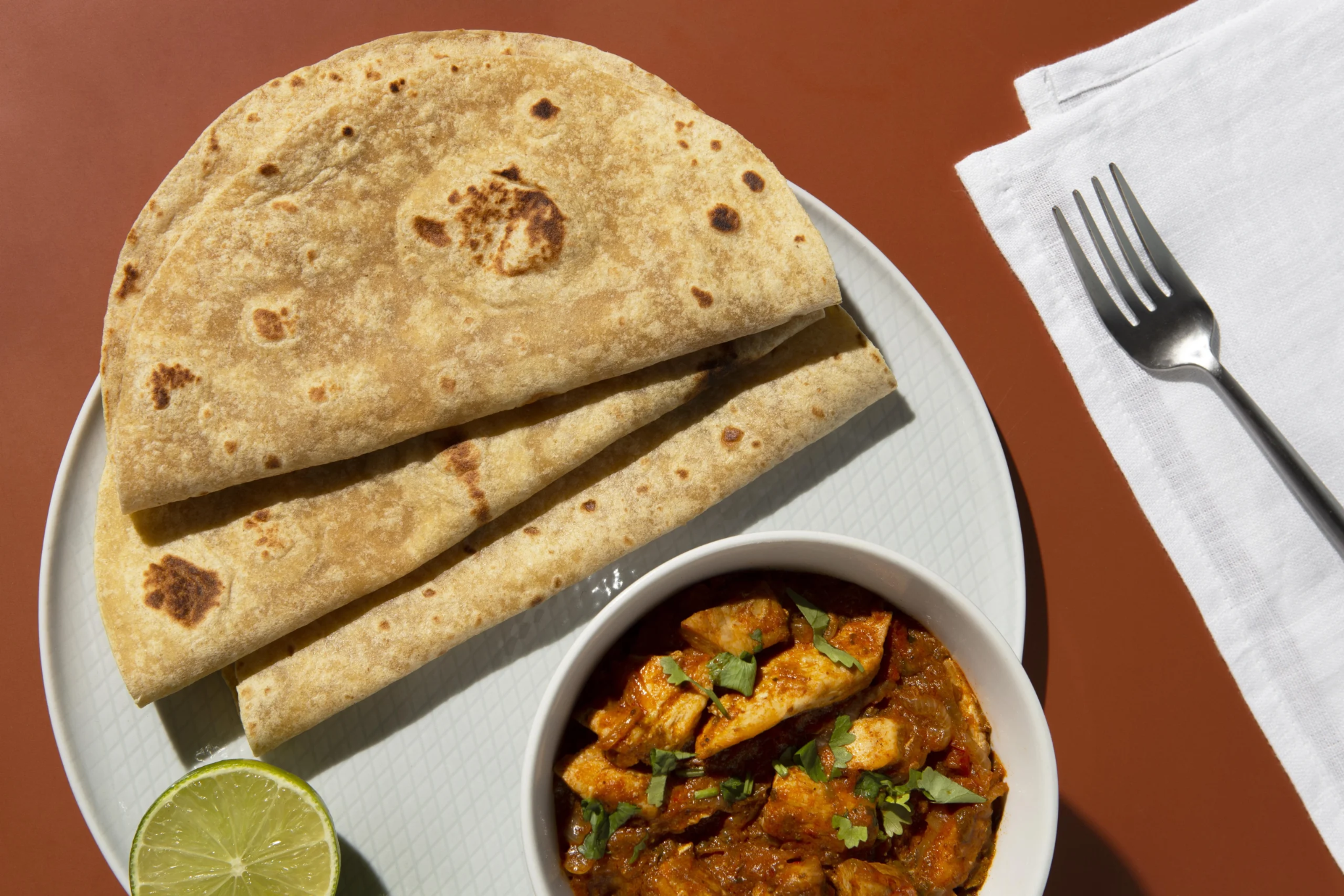
Introduction: Convenience as a Natural Extension of Modern Cooking
Food preparation has always evolved alongside lifestyle changes. As work patterns, family structures, and daily routines become more demanding, cooking habits adjust to accommodate limited time without abandoning familiar meals. In this context, readymade chapati and similar convenience foods have emerged as practical kitchen solutions rather than temporary substitutes. They allow households to continue eating traditional foods while reducing the effort involved in daily preparation.
What distinguishes modern convenience foods from earlier packaged alternatives is the emphasis on process quality and consistency. Improvements in food technology, hygiene standards, and packaging methods have made it possible to deliver products that closely resemble freshly prepared food. Understanding how these items are produced, how they fit into daily cooking, and how quality is maintained helps consumers see convenience foods as structured extensions of home cooking rather than compromises.
The Changing Role of Ready-to-Cook Staples in Indian Kitchens
The growing presence of ready-to-cook foods reflects broader social and economic shifts. Urbanisation has brought longer commutes and busier schedules, while nuclear family structures have reduced the availability of shared cooking time. Despite these changes, Indian food preferences remain deeply rooted in familiar staples rather than entirely new cuisines. Convenience foods succeed because they simplify preparation without altering what people eat.
Traditional staples such as chapatis and dosa batter require time-intensive steps including kneading, grinding, fermenting, and portioning. These steps demand both time and skill, which may not be available daily. Ready-to-cook formats remove the most labour-intensive stages while preserving the final cooking process. Meals are still prepared at home, allowing families to control freshness, portion size, and accompaniments.
Over time, these products have transitioned from occasional use to regular inclusion in grocery planning. Predictable outcomes and ease of storage have encouraged households to rely on them consistently rather than only during busy periods.
Urban Time Constraints and Meal Planning
Long working hours and commuting reduce time for daily preparation. Ready-to-cook staples help households maintain routine meals without extended preparation.
Shift From Backup Option to Regular Use
What began as an occasional alternative has become a dependable part of everyday cooking for many families.
Preservation of Familiar Food Habits
By aligning with traditional meals, these products integrate smoothly into existing dietary patterns.
Ingredients, Processing, and Quality Discipline
The reliability of convenience foods depends on disciplined processing systems. Manufacturers focus on replicating the characteristics of home-prepared food while ensuring safety and consistency. Each stage of production is designed to preserve flavour, texture, and nutritional value.
Ingredient selection is a foundational step. Raw materials are chosen for uniformity and quality to ensure consistent results across batches. Processing environments are tightly controlled for temperature and hygiene, reducing the risk of spoilage or contamination. These controls are particularly important for products with short shelf lives.
Quality assurance is embedded throughout the production cycle. Regular testing, inspection, and validation help ensure that products meet defined standards before reaching consumers. This process-driven approach distinguishes modern convenience foods from earlier mass-produced options.
Careful Sourcing of Raw Materials
Consistent ingredient quality supports predictable taste and texture in the final product.
Controlled Processing Conditions
Temperature and handling controls preserve freshness and reduce variability during production.
Continuous Quality and Safety Checks
Batch-level monitoring ensures hygiene compliance and product reliability.
Integrating Convenience Foods Into Daily Cooking
Convenience foods are designed to complement home cooking rather than replace it. They simplify preparation while allowing households to retain control over cooking methods, seasoning, and portion sizes. This flexibility supports diverse cooking preferences and dietary needs.
For working professionals and families, these products reduce daily decision fatigue around meals. Knowing that essential staples are readily available makes planning easier and reduces dependence on outside food. Cooking at home remains central, preserving freshness and nutritional balance.
Consistency is another key benefit. Standardised preparation ensures that results are predictable, reducing uncertainty and stress during meal preparation. This reliability is particularly valuable for households managing multiple schedules. Reducing Preparation Effort Without Removing Cooking. Time-consuming steps are eliminated, but final cooking still happens at home.
Convenience, Accessibility, and Waste Reduction
Beyond saving time, convenience foods have expanded access to home-style cooking. Individuals with limited cooking skills, physical constraints, or time availability can still prepare familiar meals. Students living independently, elderly individuals, and first-time cooks benefit from simplified preparation without losing cultural connection to food.
Portion control is another practical advantage. Traditional preparation often results in excess dough or batter that may not be reused efficiently. Ready-to-cook formats allow households to prepare only what is needed, reducing waste and improving kitchen efficiency. Controlled packaging helps maintain freshness over multiple uses.
Manufacturers have also recognised regional preferences, offering variations in thickness, texture, and fermentation levels. This adaptability shows that convenience does not require uniformity, but can support diversity within structured processes.
Consumer Awareness and Responsible Usage
As convenience foods become more common, consumer expectations have matured. Buyers increasingly evaluate products based on ingredient transparency, storage requirements, and shelf life rather than convenience alone. Clear labeling and preparation guidance support informed decision-making.
Responsible usage is key to maximising benefits. Convenience foods are most effective when they complement fresh cooking rather than replace it entirely. Awareness of storage instructions and expiry timelines ensures food safety and quality retention.
Informed consumers also encourage higher standards across the industry by prioritising transparency and consistency.
Summary: Convenience Foods as Everyday Kitchen Enablers
Convenience foods have become integral to modern kitchens by aligning with evolving lifestyles while respecting traditional eating habits. They offer structured solutions that reduce preparation time without sacrificing familiarity, control, or taste. By simplifying essential steps, these products help households manage daily meals with greater efficiency and consistency.
Brands such as Satchmo Foods reflect this evolution through disciplined processing, ingredient integrity, and a focus on quality standards. Their approach supports households seeking dependable solutions for everyday cooking, whether through ready to make roti options for daily meals or consistent, ready made dosa batter that fits seamlessly into contemporary kitchen routines.