

Accident recovery can be a complex process. While some injuries may appear minor, the physical and psychological impacts may not be apparent until days or weeks after the accident. Often, people are more concerned with the practical issues involved: insurance, repair bills, and administrative tasks.
Knowing how to plan recovery early on can help ease long-term pain and promote healing.
Recognizing Injuries Early
Following an injury, pain may be masked by the adrenaline rush. People may feel okay at first, but develop stiffness, headaches, or difficulty moving later. This is why it is important to seek early medical assessment.
Early recognition of injuries allows early treatment, which can prevent or minimize complications. Even apparently minor symptoms, like mild neck pain and tiredness, can’t be overlooked. This approach leaves no injury untreated.
Car Injury Therapy
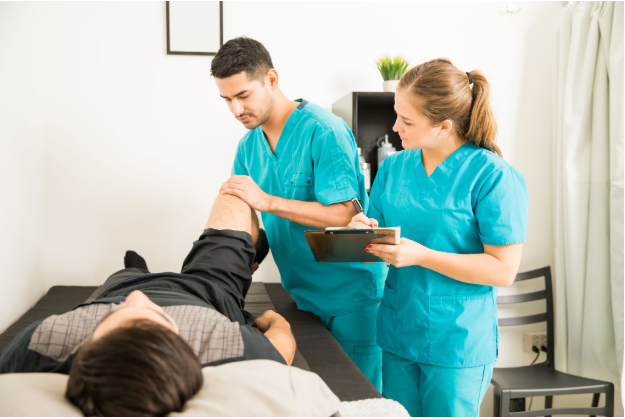
Specialized car injury therapy is essential for pain relief and increased mobility. This can involve physical therapy, chiropractic treatment, or other types of therapy, depending on the injury. Therapy is not only used to reduce pain and discomfort but to treat the underlying problem.
In the case of soft tissue injuries, whiplash, and joint strain, exercise and regular therapy are often necessary for recovery. Postponing or failing to undertake therapy may result in ongoing pain or limited mobility. A systematic approach, under the supervision of trained experts, promotes a safe and thorough recovery.
Importance Of Family Medical Doctor Oversight
Therapy is geared towards rehabilitation, but medical oversight is essential. Injuries can change, and other issues may arise that require a treatment modification. Collaborating with a family medical doctor is important for ongoing care during recovery. They can evaluate your health status, track improvements, and refer you to specialists if necessary.
Your family doctor ensures medical treatment is appropriate for your medical history. This is especially crucial if you have pre-existing conditions or are on medication. A single contact makes communication easier and ensures your recovery progresses smoothly.
Painkillers and Pain Management
Pain is an inevitable aspect of recovery, but it should be managed with caution. Although drugs may offer temporary relief, they are not always a cure. A multidisciplinary approach, including medical advice, physical therapy, rest, and progressive exercise, can be effective.
Stretching, gentle movement, and good posture can alleviate discomfort with less reliance on medication. It’s about treatment, not pain relief.
Emotional and Mental Recovery
It’s not just the physical injuries. An accident can also cause psychological symptoms, such as stress, anxiety, or diminished self-esteem. It’s important to recognize these feelings. Talking to a professional or even friends and family can alleviate the psychological strain.
Physical and mental health are part of a comprehensive recovery strategy. Listening to your body and following professional guidance helps avoid setbacks.
Final Thoughts
Accident recovery is about time, but also care and support. Early intervention, structured rehabilitation, and ongoing medical monitoring can help expedite and enhance the recovery process. Being proactive and informed in your approach will not only help your recovery but also prevent complications, so you can get back to living life.