

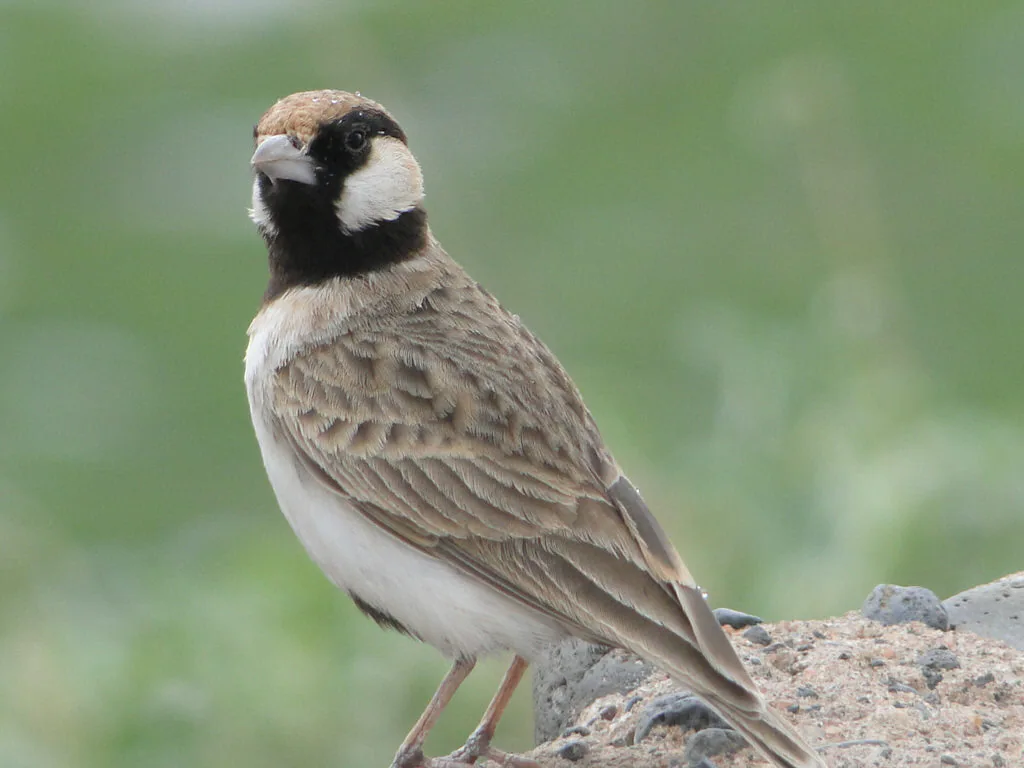
Kenya is globally recognized for its rich wildlife, but for bird enthusiasts, it offers an equally remarkable spectacle. With over 1,100 recorded bird species, including endemics, migrants, and rare species, Kenya has earned a reputation as one of Africa’s top birding destinations. Professional birding tours in Kenya combine expert guidance, tailored itineraries, and comfortable accommodations to create an immersive and unforgettable experience for enthusiasts of all skill levels.
Why Kenya is a Birding Paradise
Kenya’s extraordinary bird diversity stems from its varied landscapes and strategic location along major migratory flyways. From the highlands of Mount Kenya and the Aberdares to the vast savannahs of the Maasai Mara and the coastal forests along the Indian Ocean, each region supports a unique mix of avian species.
The Great Rift Valley lakes, including Lake Naivasha, Lake Nakuru, and Lake Bogoria, are famous for their flamingo populations. At certain times, these lakes are blanketed in pink as thousands of lesser and greater flamingos feed along the shores. These alkaline lakes also attract pelicans, cormorants, herons, and a variety of waders. Beyond waterbirds, these ecosystems support raptors like fish eagles and African hawk-eagles, making them ideal destinations for both casual and dedicated birders.
Highland forests, such as those in Aberdare National Park, Mount Kenya, and Kakamega Forest, are home to forest-dependent species, including the Hartlaub’s Turaco, Sharpe’s Longclaw, and Black-and-white Casqued Hornbill. These areas are essential for birders seeking endemic or hard-to-find species. In contrast, arid and semi-arid regions like Samburu National Reserve and Lewa Wildlife Conservancy host desert-adapted species such as the Somali Ostrich, Green-winged Plover, and Ethiopian Swallow. Coastal forests and mangroves near Diani Beach and Arabuko Sokoke Forest offer sightings of rare and localized species like the Golden-winged Sunbird and the Spotted Ground Thrush.
Expert-Guided Birding Tours
The hallmark of professional birding tours in Kenya is guidance by experienced ornithologists and local trackers. These experts identify species by sight and sound, provide insights into bird behavior, and share knowledge about habitats and conservation. With their guidance, birders can locate elusive species, learn about ecological relationships, and deepen their understanding of Kenya’s unique ecosystems.
Professional birding tours are carefully scheduled to maximize sightings. Early morning excursions take advantage of peak activity hours when birds are most active. Afternoons may include boat rides on freshwater lakes, game drives, or guided walks through forest trails. This structured approach ensures participants experience a rich variety of species while maintaining a relaxed, enjoyable pace.
Seasonal Highlights and Migration Spectacles
Timing is essential for a successful birding tour in Kenya. The country lies on the East African flyway, hosting millions of migratory birds from Europe and Asia. Between October and April, migratory species such as European Bee-eaters, Red-backed Shrikes, and White Storks arrive, creating dynamic birding opportunities.
The dry season, from June to October, is ideal for spotting resident species, as water sources concentrate wildlife and birds alike. During the wet season, from March to May, grasslands, wetlands, and forests are transformed into lush habitats, attracting breeding birds and providing optimal conditions for photographing plumage and nesting behaviors. Professional birding tours align itineraries with these seasonal patterns to ensure maximum sightings and photographic opportunities.
Specialized Birding Habitats
Professional birding tours in Kenya cover a variety of habitats to ensure comprehensive experiences:
- Wetlands and Lakes: Lake Naivasha, Lake Bogoria, and Lake Nakuru offer spectacular views of flamingos, African Fish Eagles, and other waterbirds. Crescent Island on Lake Naivasha is particularly known for intimate birding experiences.
- Highland Forests: Aberdare National Park, Mount Kenya Forest Reserve, and Kakamega Forest host forest specialists, including turacos, sunbirds, and endemic woodpeckers.
- Savannah and Semi-Arid Regions: Samburu, Buffalo Springs, and Tsavo support dry-country species such as Kori Bustard, White-headed Buffalo Weaver, and Eurasian Roller.
- Coastal Forests: Arabuko Sokoke Forest and Diani Beach support tropical species like the Golden-winged Sunbird and Amani Sunbird, as well as kingfishers and bee-eaters.
Tours often combine these regions to maximize species diversity, allowing participants to experience Kenya’s full avian spectrum in one journey.
Comfortable and Immersive Accommodations
Professional birding tours prioritize both immersion and comfort. Lodges and tented camps are strategically located near prime birding sites, allowing early morning departures and maximizing viewing time. Many accommodations offer bird-friendly observation decks and private verandas where travelers can watch feeding birds and enjoy tranquil natural surroundings.
Luxury lodges provide modern amenities, including gourmet meals, Wi-Fi, and guided on-site bird walks. Tented camps enhance the wilderness experience, often blending seamlessly with the environment while offering comfortable bedding and en-suite facilities. Some tours even incorporate bush breakfasts and sundowners, where guests can enjoy beverages while observing wildlife and bird activity.
Conservation and Ethical Birding
Sustainable tourism is a core principle of professional birding tours in Kenya. Operators collaborate with conservation organizations, local communities, and wildlife reserves to protect habitats and support endangered species. Ethical birding practices, such as minimizing disturbance, avoiding feeding wildlife, and using binoculars responsibly, are emphasized to ensure a low-impact and responsible safari experience.
Participating in conservation-focused tours allows travelers to contribute to habitat preservation, community development, and ongoing research, making each trip both rewarding and meaningful.
Planning Your Birding Tour
Professional birding tours are highly customizable, catering to individual preferences and skill levels. Most operators include private vehicles, expert guides, accommodation, meals, and park fees in their packages. Travelers are advised to bring binoculars, spotting scopes, field guides, and cameras, along with lightweight, weather-appropriate clothing.
Tours typically range from 7 to 14 days, covering multiple ecosystems to maximize bird diversity. Itineraries can include the Rift Valley lakes, highland forests, semi-arid reserves, and coastal forests, ensuring a well-rounded experience that highlights Kenya’s top birding hotspots.
Conclusion
Kenya birding tours offer an unparalleled opportunity to explore one of Africa’s most biodiverse avian landscapes. With expert guides, diverse habitats, luxury accommodations, and ethical conservation practices, these tours are designed to provide both adventure and comfort. From the flamingo-studded lakes of the Rift Valley and the highland forests of Aberdare to the semi-arid savannahs of Samburu and the tropical coastal forests, every day presents new discoveries.
Whether you are a seasoned ornithologist or a passionate amateur, a professional birding tour in Kenya promises unforgettable encounters, educational experiences, and breathtaking natural beauty. It is more than a tour—it is a journey into the heart of Kenya’s birding paradise, offering memories that last a lifetime.