

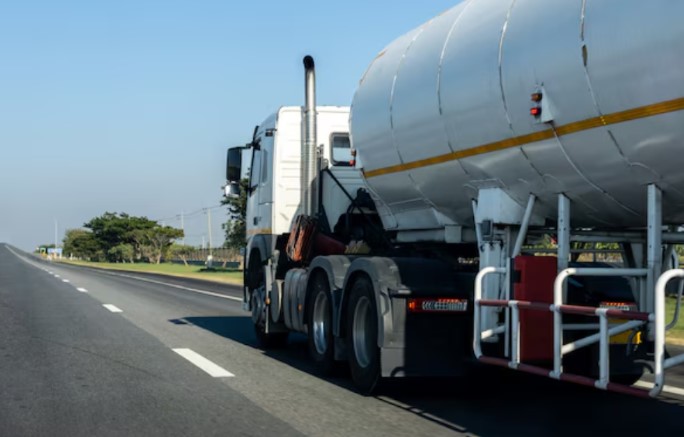
Transporting heavy equipment, large loads, or oversized cargo is a routine part of many industries, from construction to manufacturing. However, these heavy transport operations come with strict legal rules. Roads and highways are built to handle a certain weight, and exceeding those limits can cause damage to infrastructure, lead to safety risks, and result in fines or penalties. This is where overweight permits play a crucial role, allowing businesses to move heavy loads legally while following regulations.
Understanding Overweight Permits
Overweight permits are official permissions issued by state or local transportation authorities. They allow vehicles to carry loads that exceed the standard legal weight limits. These permits are essential for businesses that transport machinery, construction materials, or other large goods. Without an overweight permit, moving heavy loads on public roads could be considered illegal, exposing operators to fines and other legal consequences. By obtaining the correct permits, transport companies can plan their routes and schedules without the worry of breaking the law.
Legal Requirements for Heavy Transport
Different states and regions have specific weight limits for commercial vehicles. These limits ensure that roads, bridges, and other infrastructure are not damaged by excessive weight. Heavy transport operators must know these limits and secure overweight permits when their cargo exceeds them. The permits usually specify the exact weight allowed, the route that can be used, and the time of travel. This helps authorities monitor traffic safety and protect public infrastructure while allowing businesses to operate efficiently.
Planning Routes with Overweight Permits
An important part of using overweight permits is planning the transport route. Roads, bridges, and highways have varying weight restrictions. Overweight permits help identify which routes can safely handle heavier vehicles. This ensures that the vehicle avoids areas where it could cause damage or face restrictions. Proper planning also helps reduce delays and ensures that deliveries or equipment transport happens on time, keeping operations smooth and legal.
Reducing Risks and Liability
Transporting overweight cargo without a permit carries serious risks. Not only can it lead to fines, but it can also cause accidents or damage to roads and bridges. Overweight permits reduce these risks by providing legal clearance and guidelines for transport. They make it clear what weight limits, routes, and safety measures must be followed. This protection is important for businesses because it reduces liability and helps maintain a good reputation in the industry.
Cost Considerations
While securing overweight permits may involve fees, these costs are small compared to potential fines or damages from illegal transport. Planning transport operations around permits can also prevent additional expenses caused by accidents, route closures, or infrastructure damage. Many businesses find that investing in overweight permits is a cost-effective way to ensure smooth, legal transport and long-term operational efficiency.
Compliance and Industry Standards
Heavy transport operations often involve multiple vehicles, specialized equipment, and tight schedules. Overweight permits are part of broader compliance requirements that include vehicle maintenance, driver training, and cargo securing standards. Following these rules demonstrates professionalism and reliability, which is essential for maintaining contracts and meeting industry standards. Companies that consistently use overweight permits show that they prioritize safety and legality in every aspect of their operations.
Conclusion
Overweight permits are more than just a piece of paper—they are essential tools that keep heavy transport operations legal, safe, and efficient. By understanding and using these permits, businesses can move large loads without risking fines, damage, or liability. They also allow operators to plan routes, manage costs, and maintain compliance with legal and industry standards. For any company handling heavy transport, overweight permits are a key part of ensuring smooth operations while staying on the right side of the law.