

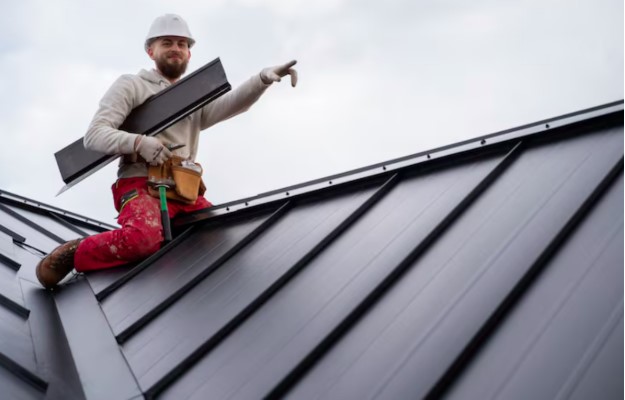
Maintaining a high-performing home environment begins with the structural integrity of your roof. While many homeowners view a roof simply as a shield against rain and wind, its role in regulating indoor temperatures is far more significant.
Modern roofing services focus on creating a cohesive system that prevents thermal loss and reduces the strain on heating and cooling units. By investing in the right upgrades, you can transform your overhead structure into a powerful asset for sustainability and cost savings.
The Strategic Role of Modern Residential Roofing Systems
A well-engineered residential roofing system acts as the primary barrier against solar heat gain. During the summer months, a standard roof can reach extreme temperatures, radiating heat into the living spaces below.
Modern materials are designed to reflect a higher percentage of sunlight, ensuring that your attic remains significantly cooler.
This reduction in heat transfer means your air conditioning system does not have to work nearly as hard to maintain a comfortable environment, leading to a noticeable decrease in monthly utility expenditures.
Implementing High Performance Roofing for Thermal Control
Choosing the right materials is the cornerstone of energy-conscious roofing decisions. High-performance shingles and metal panels often come with specialized coatings that possess high emissivity. This allows the roof to shed absorbed heat quickly rather than storing it.
Furthermore, a professional installation ensures that there are no gaps or weak points where conditioned air can escape.
By sealing the building envelope effectively, you create a stable internal climate that remains consistent regardless of the fluctuations in outdoor weather conditions.
Enhancing Insulation Layers During Roof Maintenance
Energy efficiency is not just about the outer layer; it involves the materials hidden beneath the surface. When a contractor performs a comprehensive inspection or replacement, they can assess the condition of your attic insulation.
Upgrading to higher R-value materials prevents heat from rising out of the house during winter and stops it from seeping in during summer. Combining a new roof with superior insulation creates a dual-layer defense that maximizes the thermal retention of your entire property.
The Vital Importance of Advanced Attic Ventilation
A roof cannot be energy efficient if it is suffocating. Proper ventilation is a critical component of professional roofing services that many homeowners overlook. Intake vents at the eaves and exhaust vents at the ridge allow for continuous airflow.
This movement of air prevents the attic from becoming a heat trap in the summer and stops moisture buildup in the winter. By regulating the temperature of the roof deck from underneath, you prevent the premature aging of materials and maintain a more balanced thermal load.
Utilizing Reflective Coatings and Cool Roof Technology
Technological advancements have led to the rise of cool roofs, which are specifically designed to stay cooler than traditional versions. These systems utilize granules or paints that are highly reflective.
For homes in warmer climates, these coatings can reduce the roof’s surface temperature by dozens of degrees. Lower surface temperatures result in less heat being conducted into the building, which directly translates to lower energy bills and a reduced carbon footprint for the household.
Long Term Financial Benefits of Energy Conscious Repairs
Investing in energy-efficient roofing provides a significant return on investment through reduced energy consumption. Over the lifespan of the roof, the savings on electricity and gas can often offset a large portion of the initial installation cost.
Additionally, many energy-efficient materials are eligible for tax credits or insurance discounts. Beyond the immediate financial gain, a home that stays naturally tempered is more comfortable for its inhabitants, providing a better quality of life while increasing the overall market value of the property.